What happens when Springtrap stops appearing on the cameras in Five Nights At Freddys 3 and the ventilation suddenly fails at the same time?
Phantom Hallucinations in Five Nights At Freddys 3
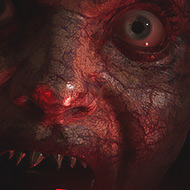
The defining pressure in the game comes from Phantom Freddy, Phantom Foxy, Phantom Balloon Boy, Phantom Chica, and Phantom Mangle disrupting your systems at unpredictable moments. Unlike physical threats, these hallucinations do not directly cause a jumpscare that ends the night, but they trigger system errors that leave you defenseless against Springtrap. Each Phantom has a specific trigger, which experienced players learn through repeated failure.
Phantom Freddy often appears in the hallway view, slowly approaching before causing a blackout. Phantom Foxy emerges when players stare too long at certain cameras, especially Camera 04. Phantom Balloon Boy is infamous for disabling audio, which directly interferes with controlling Springtrap’s position. These interactions create a layered challenge that goes beyond simple reaction time.
For cautious players, avoiding Phantom triggers becomes a structured routine of limited camera use. Aggressive players who constantly flip cameras tend to activate multiple Phantoms in quick succession, leading to what the community calls a “system cascade.”
Springtrap Movement Patterns in Five Nights At Freddys 3
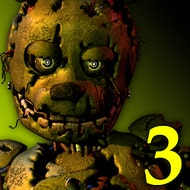
Springtrap is the only animatronic that can end your run, and his movement is tied to both camera visibility and audio lure usage. He does not follow a fixed route, which makes tracking him more about probability than certainty. Players rely on Camera 10 as a control point because it limits his options.
By the time you reach Night 4, Springtrap begins moving more aggressively between Camera 09, Camera 10, and the vent network. He can enter vents quickly if left unchecked, especially when audio cues are unavailable due to Phantom Balloon Boy interference.
Advanced players combine short camera checks with well-timed audio lures to maintain control. This technique reduces unnecessary exposure to Phantom animatronics while keeping Springtrap at a manageable distance.
System Failures and Recovery Timing
The game features three critical systems: cameras, audio, and ventilation, each vulnerable to Phantom interference. When errors occur, players must initiate a reboot sequence that lasts several seconds. During this time, you cannot monitor Springtrap, which increases tension significantly.
Ventilation failures are particularly dangerous because they cause visual distortion and audio glitches. This makes it harder to detect Springtrap’s position or respond to threats. Many players describe this moment as “blind survival,” relying on instinct rather than information.
Beginners often attempt to reboot all systems immediately, which wastes valuable time. Experienced players prioritize ventilation first, then audio, and finally cameras, based on immediate risk.
Community Tactics and Debate
The most widely discussed strategy is the “Cam 10 hold,” where players repeatedly lure Springtrap to Camera 10 and keep him contained. While effective, this tactic is not guaranteed, especially when Phantom animatronics disrupt audio or camera systems.
Some players argue that mastering this strategy reduces difficulty too much, while others point out that Phantom interference ensures no run is completely predictable. This debate is especially active among players attempting Night 6 or Aggressive Nightmare Mode.
Challenge-focused players often avoid Cam 10 reliance, instead practicing dynamic tracking. This approach is harder but offers more flexibility when systems fail simultaneously.
Frequent Beginner Errors
- Ignoring Phantom Balloon Boy leads to repeated audio failures, preventing effective use of audio lure and allowing Springtrap to move freely through cameras.
- Overusing audio lure reduces its effectiveness, making it harder to control Springtrap’s position when it matters most.
- Neglecting vent sealing allows Springtrap to bypass camera routes and appear in the office unexpectedly, often ending the run instantly.
How do you keep Springtrap in one place in Five Nights At Freddys 3?
You can guide Springtrap toward Camera 10 using the audio lure system, but you must space out usage to maintain effectiveness. Combining this with sealing nearby vents limits his movement options and keeps him away from the office. Timing becomes critical once Phantom Balloon Boy interferes with audio.
Why do Phantom animatronics keep appearing in Five Nights At Freddys 3?
Phantom animatronics are triggered by specific player actions, such as overusing cameras or staring at certain views. Phantom Foxy and Phantom Freddy often appear due to prolonged observation, while Phantom Balloon Boy disrupts audio after appearing on camera. These triggers punish excessive monitoring.
What is the hardest part of Five Nights At Freddys 3?
Most players struggle when multiple systems fail at once, especially ventilation combined with audio. In this situation, tracking Springtrap becomes extremely difficult, and even experienced players rely on quick decisions rather than perfect information. This is most common during Night 5 and beyond.
Five Nights At Freddys 3 stands out because Springtrap alone creates constant pressure while Phantom Freddy and Phantom Balloon Boy disrupt every system you rely on, forcing players to manage Camera 10 and the vent network under constant interference.