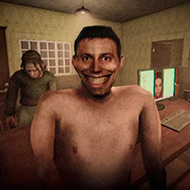
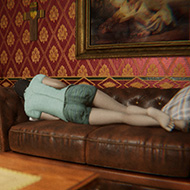
Hello Kitty in Hello Kitty [HORROR] does not behave like a friendly mascot, and that shift is the first thing players notice when the lights flicker inside the abandoned house. What looks harmless quickly becomes a tense exploration where sound cues matter more than visuals, and even a small mistake can lead to sudden confrontation.
Hello Kitty [HORROR] and the Shift in Tone
Hello Kitty moves unpredictably through narrow corridors, creating constant pressure that builds over time. The game relies heavily on silence, forcing players to listen for footsteps, door creaks, and subtle audio shifts rather than chasing objectives blindly. This approach changes how players move, making hesitation sometimes safer than action.
Beginners often underestimate how quickly Hello Kitty closes distance once alerted. Walking instead of sprinting is sometimes safer because noise directly affects detection, a mechanic that many players ignore early on. This leads to what the community calls “panic chases,” where players run without a plan and get cornered.
By the time deeper rooms are unlocked, environmental storytelling becomes clearer through scattered notes and disturbing visual details. These elements hint at what happened in the house without explicitly explaining it, which adds to the unease.
Stealth-focused players tend to adapt faster because they naturally move slower and listen more, while action-oriented players struggle to adjust their instincts.
Navigation and Item Use in Hello Kitty [HORROR]
Players must locate keys, batteries, and hidden notes to progress through locked areas. Each item has a specific purpose, and using them at the wrong time can trap players in unsafe rooms with limited escape routes.
Battery management becomes critical as flashlight use drains quickly, often lasting only a few minutes of continuous use. Darkness is not just a visual limitation; it increases encounter risk because players lose awareness of Hello Kitty’s position.
Experienced players memorize room layouts to reduce time spent wandering, especially in repeating corridor structures. This memory-based navigation is often called “route mapping” in community discussions.
Once locked doors begin to chain progression, players must plan movements carefully to avoid backtracking through dangerous areas.
Player Behavior and Common Mistakes
Noise discipline means limiting movement sounds and avoiding unnecessary actions that alert Hello Kitty. Many players ignore this and rush between rooms, triggering early encounters that could have been avoided entirely.
Hiding spots like closets and under beds provide temporary safety, but staying too long can lead to predictable patterns that Hello Kitty can exploit. Players often assume hiding guarantees safety, which is not always true.
Another common mistake is overusing the flashlight, which drains batteries quickly and leaves players vulnerable later. Managing light sources becomes just as important as avoiding direct encounters.
Exploration-focused players sometimes struggle because searching every drawer increases exposure time, while cautious players balance searching with survival.
Atmosphere and Community Reactions
The community often describes the game as “quiet horror,” where tension builds slowly instead of relying on sudden scares. The absence of constant music makes small sounds more impactful, especially footsteps stopping abruptly.
Some players criticize repetition in room design, noting that similar layouts can feel confusing rather than immersive. Others argue that this repetition enhances disorientation, which fits the horror theme.
Moments like hearing footsteps approach and then suddenly stop outside a hiding spot are widely recognized as the most unsettling experiences. These moments rely entirely on sound design rather than visuals.
Even players who are not usually interested in horror games often mention the psychological tension as the main reason they continue playing.
How do you avoid Hello Kitty in Hello Kitty [HORROR]?
Stay quiet and use hiding spots strategically while paying attention to sound cues. Avoid sprinting unless absolutely necessary because noise increases detection range. Timing exits from closets or under beds is essential to avoid being caught immediately after leaving safety.
Where are key items found in Hello Kitty [HORROR]?
Keys and batteries are usually placed in drawers, cabinets, and side rooms that branch off main corridors. Exploration must be methodical because missing a single key can block progression entirely. Memorizing common spawn points helps in repeated runs.
Why is Hello Kitty [HORROR] considered scary?
The game uses silence and unpredictability instead of constant action or visual threats. Hello Kitty’s movement patterns change frequently, preventing players from relying on consistent behavior. This uncertainty creates tension that builds over time rather than relying on sudden scares.
Hello Kitty [HORROR] turns every hallway into a risk zone where Hello Kitty’s footsteps, limited battery supply, and unpredictable movement patterns define survival inside the house.