A single bone doesn’t look like much in Right Click to Necromance, but leave the clicking going long enough and that trickle turns into an army standing between you and whatever upgrade tier you’re actually chasing.
| Genre |
Incremental clicker |
| Core Resource |
Bones |
| Army Composition |
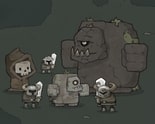
Skeletons, warriors, wizards |
The Bone Economy Right Click to Necromance Runs On
The build behind this listing runs as NECROCLICKER — a straightforward incremental game where every right-click generates bones, and bones fund an expanding undead army. Early clicks feel slow and manual, but the entire arc of the game is automating that process away, trading raw clicking for passive bone generation as your army starts producing resources on its own.
The pacing here rewards patience over frantic clicking. Reinvesting bones into unit upgrades rather than hoarding them for a bigger single purchase tends to compound faster, since each tier of undead unit contributes its own passive generation once it’s active.
Building an Army: Skeletons, Warriors, and Wizards
- Skeletons — the cheapest, earliest unit, useful mainly for establishing a bone-generation baseline
- Warriors — a mid-tier unit that meaningfully outpaces skeleton output once affordable
- Wizards — the most bone-hungry unit, but the clearest jump in passive generation once unlocked
Players who rush toward wizards too early tend to stall out, since the bone cost curve punishes skipping the skeleton-and-warrior foundation that actually funds later purchases.
What Beginners Get Wrong in Right Click to Necromance
New players consistently hoard bones for too long chasing a big single purchase instead of reinvesting steadily. Smaller, earlier investments in skeletons and warriors compound over time in a way that a single delayed wizard purchase usually can’t match.
The other common mistake is abandoning manual clicking entirely once automation kicks in. Early in the game, before passive generation ramps up meaningfully, manual clicks still matter more than players expect.
Where Progression Feels Different Later On
Once your army’s passive bone generation outpaces anything manual clicking could produce, Right Click to Necromance shifts from an active clicking game into more of a management loop — deciding which unit tier to reinvest in next rather than clicking at all. That shift in pacing is one of the more divisive aspects players discuss, since some enjoy the transition to passive optimization while others miss the earlier hands-on clicking entirely.
Does manual clicking stop mattering completely?
Not entirely, but its relative value drops sharply once your skeleton, warrior, and wizard tiers are established and producing bones on their own.
Is there an endpoint, or does it run indefinitely?
The loop is built to keep scaling rather than stop at a fixed finish line, which is typical for this style of incremental game.
Right Click to Necromance doesn’t dress up its loop with much beyond bones and an expanding undead army, but watching that army shift from a handful of skeletons into a self-sustaining force of warriors and wizards is exactly the kind of payoff NECROCLICKER is built to deliver.